
A proper seo audit service should hand you a diagnosis, not just a spreadsheet of red and green checkmarks. Too many audits are a crawler export with a logo on the cover page, and the client is left guessing which fixes actually move rankings. At Soft Learn Hub we run technical, content, and link audits every week, and we have settled on six sections that separate a genuine seo audit service from a template report. Here is what each section should contain, along with the kind of findings you should expect to see, and what to do once the report lands in your inbox.
What Most “Free” Audits Get Wrong
Plenty of tools will crawl your site and hand you a list of errors in under five minutes. The problem is not the crawl, it is the missing context. A free report might flag 40 “missing alt text” warnings and 12 broken links with equal urgency, when in reality nine of those items barely affect rankings. A real seo audit service ranks findings by impact, not by how easy they were to detect. As a result, the client gets a plan instead of a punch list.
This is the gap a paid, human-reviewed audit is meant to close. Automated tools are useful for the raw data, and a good analyst will still run two or three of them side by side because no single crawler catches everything. The analyst’s job is to interpret that data against the site’s actual traffic, niche, and competitive landscape, then decide what genuinely deserves a place on the client’s roadmap this quarter.
Section 1: Technical Health and Indexation
This section covers crawlability and indexation: robots.txt rules, XML sitemap accuracy, canonical tag conflicts, redirect chains, and Google Search Console index coverage. A good audit pulls the actual indexed-versus-submitted numbers and explains any gap, rather than just noting that a sitemap exists somewhere on the domain. If you want to check these items yourself before hiring anyone, this step-by-step SEO checklist covers them in the order they matter.
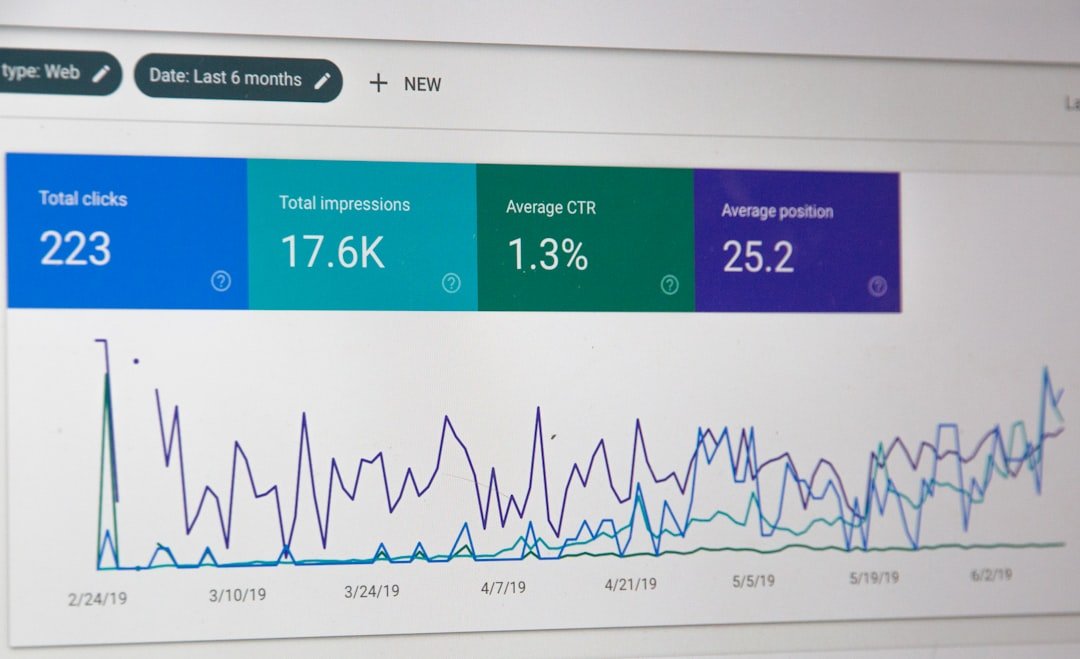
Core Web Vitals belong here too. We check field data, not just lab scores, because Google’s own Search Central documentation is clear that real-user performance data feeds into ranking systems. A sample finding might read: “18% of blog URLs return a 3xx redirect before reaching the final page, adding unnecessary latency and diluting link equity.” Another common one: “The sitemap references 340 URLs, but Search Console shows only 210 indexed, which points to a quality or duplication problem worth investigating before adding new pages.”
Section 2: On-Page and Content Quality
Title tags, meta descriptions, header hierarchy, and keyword-to-page mapping all live in this section. Because thin or duplicate content is one of the most common issues we find, this part of the audit should list specific URLs, not just a percentage. For example: “14 service pages share near-identical intro paragraphs, which risks internal cannibalization for the same keyword.”
A capable seo audit service also flags missing search intent alignment, where a page targets a commercial keyword with purely informational content, or the reverse. It should note readability issues too, since a page stuffed with jargon tends to earn a lower time-on-page and a higher bounce rate, both of which are signals worth fixing even outside of pure SEO scoring.
Section 3: Site Architecture and Internal Linking
Click depth matters more than most site owners realize. If a page sits five clicks from the homepage, both users and crawlers are less likely to find it regularly. This section maps orphan pages, measures average click depth by template type, and reviews how internal link equity flows toward priority pages. A useful audit includes a simple depth chart, not just a warning count, and calls out specific orphan URLs so nothing gets lost in a generic summary line.
We also look at navigation and breadcrumb structure here, because a confusing menu often explains why certain category pages never rank despite decent content.
Section 4: Backlink Profile and Toxic Link Review
Referring domain count only tells part of the story. This section should review anchor text distribution, link velocity over time, and flag any spammy or clearly paid links that could trigger a manual action. We typically cross-reference this data against tools like Ahrefs alongside Search Console’s own link reports, since the two data sets rarely match exactly and the differences are informative on their own. A disavow recommendation, when one is warranted, should list the specific domains involved rather than a vague “clean up your backlinks” note. If an earlier vendor built those links, read what separates safe link building services from risky ones before hiring the next one.
Section 5: Competitor Gap Analysis
An audit that only looks inward misses half the picture. This section compares your site against three to five real competitors on keyword coverage, content depth, and backlink volume. The output should be a short, specific list: keywords they rank for that you do not, content formats they publish that you have skipped entirely, and pages where their word count or media usage clearly outpaces yours.

Section 6: The Prioritized Action Plan
This is the section most audits skip, and it is the one that actually matters. Every finding above should map to an impact-versus-effort score, sorted into quick wins, medium-term fixes, and longer strategic projects. Without this step, a business owner is left holding forty findings with no idea where to start, which usually means nothing gets fixed at all. If you are also comparing SEO marketing agencies to execute that plan, ask each one to walk you through how they would sequence the same findings; the answer tells you a lot about how they actually work day to day.
How to Choose an SEO Audit Service That Delivers Results
When you are evaluating an seo audit service, ask to see a sample report before you pay for anything. A strong sample includes specific URLs, screenshots, and a prioritized plan, not generic advice that could apply to any website in any industry. Because pricing varies widely, treat a very cheap audit with some suspicion; a thorough six-section review takes real analyst hours to produce properly, and that time has to be paid for somehow.
Also ask who performs the analysis, and how often you will receive updates once the fixes are underway. A report generated entirely by software, with no human review and no follow-up call, is not an audit. It is an export with a cover page.
What Happens After the Audit Lands
A good seo audit service does not disappear once the PDF is delivered. Expect a walkthrough call where the analyst explains the top five findings in plain language, answers questions about feasibility, and helps translate the plan into tasks your developer or content team can actually execute. Without that conversation, even a well-written audit tends to sit unread in a shared drive.
One more thing worth checking before you sign off on any seo audit service: does the report separate one-time fixes from ongoing monitoring? Technical issues like broken links and redirect chains reappear over time as a site grows, so an audit that treats everything as a single cleanup project will leave you back where you started within six months. Ask whether the provider offers a lighter recheck on a quarterly basis, because that follow-up is often what actually protects the rankings the first audit helped you win.
Final Thoughts
A real seo audit service goes far beyond a crawl report. It combines technical health, content quality, architecture, links, competitor context, and a prioritized plan into one document you can actually act on. If your last audit was just a list of errors with no ranking or plan attached, it is worth getting a second opinion before you spend another quarter guessing at priorities.